
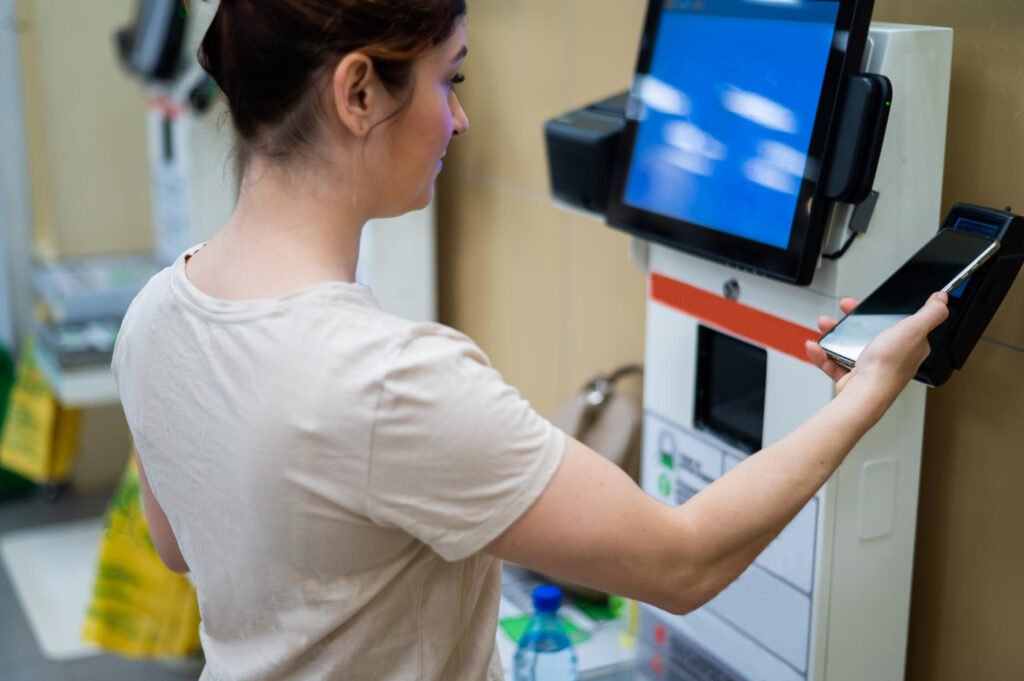
Right after the holidays, many grocery stores start to notice more issues at the self-checkout lanes. Customers are tired. Employees are stretched thin. The stores are busier than they look. This time of year, shoplifting tends to pick up again, especially where self-checkout stands are involved.
As providers of grocery store loss prevention consulting, we’ve seen this pattern show up again and again. Through outsourced loss prevention and regulatory compliance services, we support grocery, convenience, and other retail formats across the country with audits, training, and risk assessments. Just when things should be cooling down after the holidays, a wave of quiet thefts begins to slip through. It often goes unnoticed until inventory numbers start raising questions.
Stores aren’t the problem, it’s a combination of season, staffing, and habits. And the good news is, once you understand what’s really going on, there are simple ways to get ahead of it next year.
Why Self-Checkout Theft Increases After the Holidays
The weeks after the holidays can be especially tricky for loss prevention. Even though crowds shrink and sales slow down a little, the store environment is still overwhelmed by leftover activity from the holiday season. Here’s why this period sees more theft:
• Store workers and managers are often burned out after weeks of extended hours and busy shifts. With fewer employees scheduled, it becomes harder to watch every exit and self-checkout area.
• Holiday inventory usually includes easy-to-swipe items like gift sets, small electronics, or seasonal food bundles. Many of these are left out for weeks after the season ends and may not be monitored closely.
• Shoppers often return with unused gift cards, unwanted presents, or receipts from past weeks. This creates more chaos at the customer service desk and opens extra chances for dishonest returns or scan tricks at self-checkout.
When normal routines haven’t caught back up yet, self-checkout stations can quickly turn into a weak spot.
Common Self-Checkout Tricks Used by Shoplifters
Self-checkout makes things faster for honest customers, but it also gives shoplifters more space to act quickly and quietly. The methods they use may not be obvious, but over time, they can cause a serious dent in store inventory. Some of the most common tricks we’ve seen include:
• Scanning a cheaper item instead of the more expensive one in their cart (like ringing up a bag of rice instead of salmon)
• Pretending to pay, then walking out before completing their purchase
• Using fake barcodes or old receipts to pull off extra returns or free items
• Hiding unpaid products under a coat, inside a reusable bag, or underneath other groceries
In cold weather states where coats and layers are common, the chance of physically hiding items increases. It gets harder for staff to spot what’s been paid for and what hasn’t when everyone is bundled up.
Why Post-Holiday Conditions Make Theft Easier to Miss
After a busy December, stores often shift their focus. That shift can make it easier for theft to slip through the cracks. While everyone’s catching their breath from the holidays, a few small changes can add up to big blind spots.
• Some stores ease up on enforcement rules after a stressful season, focusing more on fast lines than loss prevention. This lowers the chances of slowing down or stopping suspicious behavior.
• Security cameras may miss key angles or rely too much on software alerts. When staffed light, employees may not review footage as closely or as often.
• Many retailers switch attention to post-holiday clean-up and inventory. This can mean fewer eyes watching self-checkout lanes or delayed detection if something’s missing.
This combination of slower attention and tired teams makes it harder to stop loss before self-checkout issues get worse. Most times, stores don’t notice a problem until patterns show up in reports.
How Grocery Store Loss Prevention Consulting Helps
When stores face rising theft with fewer resources, outside support can help bring clarity and focus. Grocery store loss prevention consulting uncovers risks that internal teams may be too close to notice day to day. For stores that want to stay ahead of thefts before they become patterns, consultants can bring a targeted approach. Our retail services for grocers draw on compliance and audit programs, incident resolution support, exception-based reporting support (including staffing to verify exceptions through video verification), and training and awareness programs that address loss prevention and workplace safety.
Here are a few ways we help leaders find and fix weak spots:
• Site walk-throughs uncover gaps in processes, tech, and staffing that allow theft to happen
• Real-time coaching helps staff recognize common red flags at self-checkout before they’re missed
• Exception-based reporting tools can flag suspicious behavior without slowing down shopper flow
This kind of help doesn’t replace in-house teams, it strengthens them. When handled the right way, self-checkout can still be a smart and smooth part of store operations. It just needs support that keeps people honest while keeping the lane moving fast.
Taking Action Before It Happens Again
The time right after the holiday rush might not feel like the moment to think about next season’s risk. But it’s actually the best chance to learn from what just happened. Stores that take time to reflect while memories are fresh often do better the next time around.
If you saw more losses after this season, you’re not alone. The small changes in customer behavior and store routines can add up fast. Once those patterns are known, they’re much easier to manage. That’s where fresh sets of eyes, updated routines, and better tools come into play.
Preparing now means fewer surprises later. Whether it’s fixing blind spots by the doors or changing how gift returns are handled in January, small fixes early on can protect store operations for months to come. And when stores are ready ahead of time, self-checkout theft becomes a lot more manageable and a lot less stressful.
At The Integritus Group, we know how quickly post-holiday risks can grow into real losses if left unchecked. Self-checkout stations can be efficient, but without the right safeguards, they become easy targets. That’s why our approach to grocery store loss prevention consulting focuses on helping stores spot issues early, before they impact the bottom line. Simple shifts in process and awareness can go a long way. If you’re ready to prevent future losses before the next busy season, contact us today.