
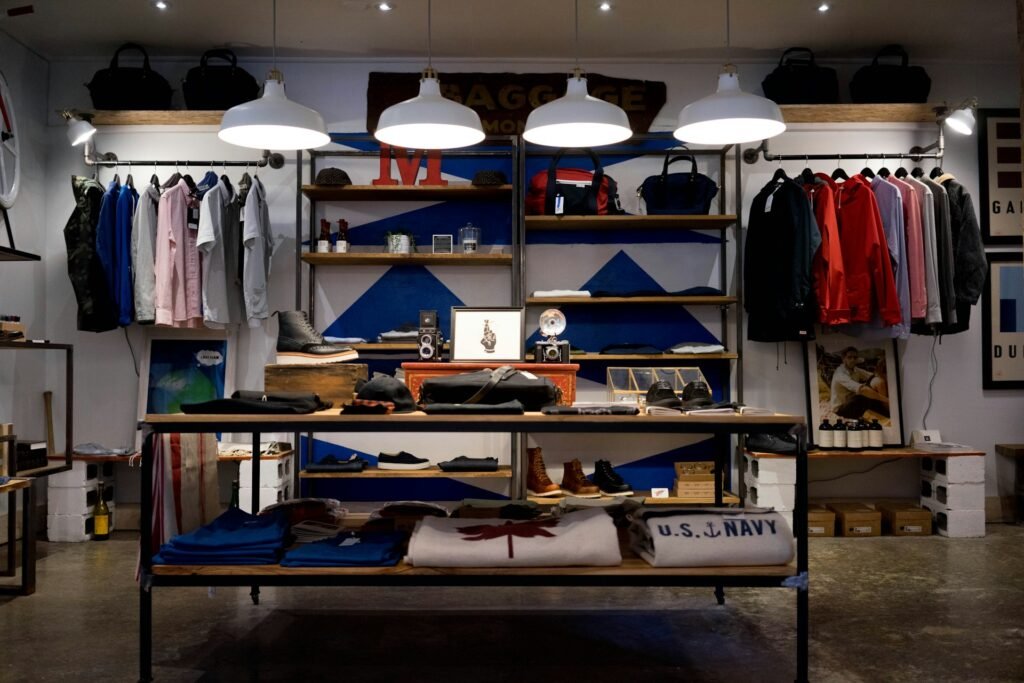
We all want our stores to look great. Thoughtful displays, open spaces, and easy-to-navigate layouts feel fresh and welcoming, especially in spring when foot traffic picks up and new product lines hit the floor. But there is a side effect to all that open space many retailers do not think about until problems start showing up.
Open floor plans might invite shoppers in, but they can also make it harder to keep an eye on things. That is where the design choices around visual merchandising can quietly increase loss. When fixtures block views or layouts distract from active monitoring, it becomes easier for shrinkage to occur.
These challenges are not always easy to catch from the inside. That is one reason we rely on retail loss prevention consulting services to help us see what we might miss. It is not just about catching mistakes. It is about creating spaces that support both the shopper and the store team.
How Open Floor Plans Make Monitoring Harder
Open spaces feel less cramped and more modern, but there is a tradeoff. When you remove dividers, tall shelving, or counters that naturally split up the room, you also lose those built-in checkpoints that used to help teams spot issues right away.
There is a common belief that better sightlines mean better control. But with too much happening in one line of vision, the result is more confusion than clarity. That is especially true when floor setups fill out in the spring and stores get busier fast.
Here is what we have seen go wrong in these layouts most often:
- Fewer defined zones mean no clear visibility paths for employees during shifts
- Too many displays in an open space can create clutter, making it harder to track movement
- When stores get busy, priorities shift, and visual blind spots are missed by even the most experienced teams
Open layouts are not bad. But without the right planning, they can overwhelm store teams who are trying to stay alert while taking care of customers.
Where Visual Merchandising Goes Wrong
Good merchandising builds energy. It draws people in, showcases new arrivals, and sets the tone for the shopping experience. But even great ideas can backfire when function is left behind.
Seasonal resets are one of the biggest trouble spots. Spring floor changes often involve colorful signage, creative shelving, and stacked displays. All of that can block views from key points like cash wraps and exits. Even props meant to drive interest can distract from more important store monitoring tasks.
Some common mistakes we have seen during visual updates include:
- Extra-large displays that interrupt camera views or customer sightlines
- Overuse of signage that draws attention away from product handling or checkout
- Grouped fixtures that crowd high-traffic zones, leaving little room for movement or line-of-sight
Over time, these design decisions reduce loss control instead of increasing it. Most mistakes are not intentional, they are just not being evaluated with both aesthetics and prevention in mind.
Common Trouble Spots That Lead to Loss
Certain areas of a store tend to collect problems. These spots do not always seem dramatic at first, but they make it easier for items to disappear without notice. They are also where habits build up fast. A simple layout issue in a high-traffic area can lead to repeated blind spots if not adjusted early on.
The biggest trouble zones we look out for include:
- Entry and exit areas that are over-packed with product but lightly staffed
- Endcaps and freestanding shelves that break natural sightlines from main aisles
- Fitting rooms and checkout lanes where space is tight or visual coverage is poor
When these areas are not part of regular walkthroughs or design reviews, they get overlooked. It is not about catching bad behavior, but about adjusting spaces so store teams do not have to work twice as hard to stay aware.
What Store Teams Can Do With Outside Support
It is hard to evaluate your own space when you walk through it every day. That is one reason we value support from retail loss prevention consulting services. They bring fresh perspective and help spot gaps that internal teams may not even realize exist.
Consultants do not just offer recommendations from a distance. They are skilled at stepping into real store conditions, observing how traffic moves during busy hours, and providing advice on what is working and what is getting in the way.
This kind of support often includes:
- Reviewing store layouts to identify blind spots or bottlenecks
- Training staff to adjust displays to support visibility rather than block it
- Watching seasonal resets closely to prevent the same problems from repeating
Sometimes the change is small, like skipping a tall fixture or repositioning an endcap. Other times, it is about coaching managers to spot layout issues before they impact security or operations. In both cases, it is easier to keep the space safe when experienced eyes are part of the process.
Making Great Displays Without Risking Control
Visual merchandising is about more than style. When done well, it supports the business, protects the product, and keeps the floor running without added stress. That balance takes planning, especially in stores with open layouts.
We have learned that attractive displays do not have to block awareness. Clean lines, clear zones, and setups that match the way traffic actually flows go a long way. They help store teams focus instead of having to overcompensate for layout problems.
Getting ahead of shrink begins with decisions made well before the loss happens. The good news is, we are not on our own. With seasonal guidance and the right kind of outside input, we can set up our stores to look sharp and stay secure, from entry to checkout and every display in between.
At The Integritus Group, we know how quickly visual merchandising goals can clash with practical store monitoring. That is why we focus on helping businesses create environments that support both sales and security without added pressure on floor teams. When stores face design-related blind spots or seasonal layout challenges, we bring clarity and direction. To see how we apply our approach through retail loss prevention consulting services, contact us to talk through your store’s floor plan concerns.