
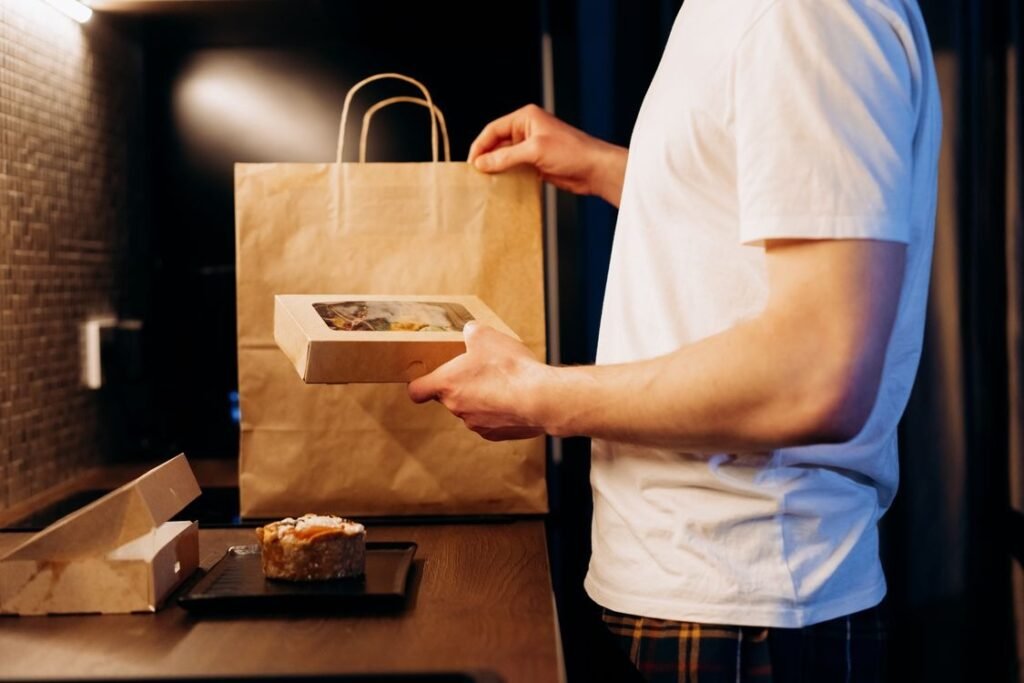
Off-Premise Sales Are Booming, so Is Restaurant Fraud
Off-premise orders keep growing, especially when the weather is warm and people are on the go. Summer travel, kids’ activities, team parties, and backyard get-togethers all drive a jump in delivery, curbside, pickup, and catering. That extra volume feels great on the top line, but it also opens the door to more fraud and more mistakes if controls are not ready.
Traditional in-store loss controls focus on cash, safes, and back-of-house inventory. Off-premise sales live in a different world. Orders move through apps, tablets, and third-party systems before a meal ever reaches a guest. That creates new blind spots. Three areas cause the most pain: delivery and pickup fraud, messy reconciliation with delivery apps, and “ghost orders” that never reach the guest but still cost you food, labor, and fees. As a team that lives in restaurant loss prevention consulting, we see how closing these gaps early can protect margins long before the next peak season hits.
Delivery and Pickup Fraud That Eats Into Summer Margins
As delivery apps grow, so do tricks people use to get free food or extra credits. Some fraud comes from guests, some from drivers, and some from people who simply walk in and claim an order that is not theirs.
Common delivery fraud patterns include:
- “Did not receive” claims when the food was delivered
- Complaints about missing items that were actually packed
- Abuse of easy refund buttons in app platforms
- Drivers saying an order was canceled after they already picked it up
Pickup has its own problems. A busy counter or crowded pickup shelf makes it simple for someone to grab the wrong bag. We see:
- Impostor pickups using only a first name
- Name swaps on shelves when labels are not clear
- “Forgot my phone” stories used to skip verification
Summer makes this worse. Rushed shifts, short staffing, and new team members mean fewer ID checks and quick handoffs. Self-service pickup shelves near the door look convenient, but without a clear chain of custody, they invite theft. Curbside adds another weak point when staff are trying to match cars to orders while juggling phones and tablets.
The good news is that practical controls do not have to slow service. Tactics that work in the real world include:
- Large, legible labels with guest name and unique order code
- Simple scripts to verify code or last name and item count at pickup
- Photographed handoffs or signatures for higher-risk orders
- Time-stamped logs for driver pickups and curbside runs
- Cameras protecting the pickup area and public view monitors showing the person picking the order up.
All of this only works when the team is trained and supported. Managers and team members need clear expectations, quick coaching, and backup when they question a suspicious claim. Consistency matters more than perfection, especially at the height of the summer rush.
Third-Party App Reconciliation Is Bleeding Hidden Profit
Every off-premise ticket looks simple to the guest, but the money behind it is anything but simple. Each delivery partner has different fees, promos, and refund rules. Your POS shows one number, the app dashboard shows another, and your bank deposit tells a third story.
When those numbers do not line up, profit leaks out in small bits:
- Unapproved discounts or promos applied in the app
- Auto-credits issued by platforms without store review
- Menu price changes in the POS that never reach the app
- Delivery or service fees that were not collected correctly
Chargebacks, disputed orders, and platform outages during busy weekends make this even harder to track. In the middle of summer, with everyone tired and focused on operations, those small misses rarely get caught. Over time, they add up to real money.
A structured reconciliation process is one of the strongest tools in modern restaurant loss prevention consulting. A simple framework might include:
- Daily checks that compare POS totals to each platform’s end-of-day report
- Weekly variance reports by store and by app, with thresholds for follow-up
- Monthly deep dives into refunds, promos, and chargebacks by channel
Standard workflows, clear exception reports, and easy-to-read dashboards help finance, operations, and Loss Prevention look at the same facts. Instead of arguing over who is right, they can work together to fix the source of the loss.
Ghost Orders, System Glitches, and the Cost of Chaos
Ghost orders sound spooky, but they are very real. These are orders that appear in one system but not another, or orders that fire tickets but never show on the make line. Sometimes they are canceled in the app after food is already prepared. When off-premise volume spikes, the odds of these failures go up.
The damage is bigger than just food waste. Ghost orders:
- Burn labor on meals that never reach a guest
- Leave people hungry and frustrated when their order disappears
- Lead to angry reviews and low ratings inside delivery apps
- Create confusion, which can hide both honest mistakes and fraud
Bad status updates also play a role. If an order shows as “delivered” to the guest but the driver still has it, everyone starts pointing fingers. Without clear tech and clear process, it is hard to know what really happened.
To control this, restaurants need a mix of technology checks and human accountability:
- Regular integration health checks between POS, kitchen display, and app tablets
- Real-time monitoring of order queues, especially at peak times
- Simple escalation paths when orders do not fire or appear as expected
- Clear ownership between store teams, IT, and third-party providers for each part of the flow
An external loss prevention partner can review your tech stack, your order flow, and your service agreements with platforms. The goal is to cut down ghost orders, tighten communication, and recover money tied up in failed or broken tickets.
Building a Modern Restaurant Loss Prevention Program
Old-school loss prevention focused on cash drawers, safe counts, and back-door checks. Those still matter, but they are not enough. Today, shrink lives inside digital orders, data mistakes, and guest-facing tech. A modern program has to cover in-store and off-premise at the same time.
That means more teamwork across the business. Operations, finance, IT, marketing, and HR all touch off-premise risk:
- Operations owns handoffs and guest service
- Finance owns reconciliation and margin tracking
- IT owns system health and integrations
- Marketing owns promos and platform partnerships
- HR owns training and accountability
Data-driven monitoring is the glue. Key metrics to watch include:
- Refund and remake rates by channel and by daypart
- Gaps between POS revenue and aggregator payouts
- Stores or shifts with unusual spikes in complaints
- Patterns in “order not received” or “missing item” claims
Exception-based reporting can flag these spikes early, instead of waiting for a month-end surprise. Alerts do not have to be fancy. Even simple reports that highlight outliers can help managers ask better questions.
Training and culture close the loop. Frontline staff need clear, simple steps for delivery and pickup, plus scripts for how to handle pushback while still keeping guests calm. When managers see loss prevention as profit protection and guest protection, not as “gotcha” policing, the whole team is more likely to follow the plan.
Close the Off-Premise Gap Before Your Next Rush
Delivery and pickup fraud, sloppy reconciliation, and ghost orders all pull on the same thread. They drain margins, frustrate teams, and damage brand trust. The strain is worst when volume is highest, like summer travel periods, back-to-school weeks, and holiday catering.
There are quick wins operators can start right away: tighten pickup verification, add simple photo or signature confirmation on deliveries, start a daily reconciliation checklist, and track refund and complaint trends by channel. From there, an off-premise risk assessment helps set priorities across locations, platforms, and processes.
At The Integritus Group, we focus on outsourced loss prevention, incident resolution, and regulatory compliance for restaurants, retailers, and convenience stores across the country. Our work in restaurant loss prevention consulting is about practical programs, clear policies, technology reviews, data analytics, and support when incidents do occur. With the right plan in place, off-premise sales can be a strong profit center instead of a constant source of loss.
Protect Your Restaurant’s Profits With Expert Loss Prevention Support
If you are ready to address theft, waste, and operational blind spots in a structured way, our restaurant loss prevention consulting can help you pinpoint where money is slipping through the cracks. At The Integritus Group, we work with your leadership and staff to build practical controls that fit your concept, systems, and culture. Start a conversation with our team today and let us tailor a plan for your locations by reaching out through our contact page.