
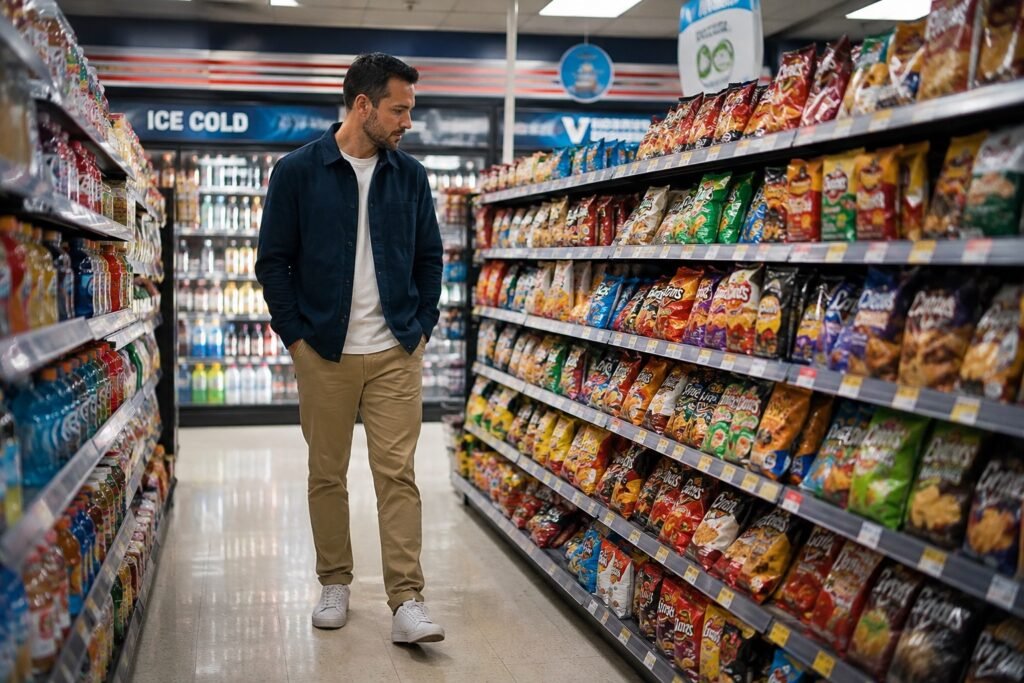
Keep Profitability Close While You Partner Up
Retailers and restaurants feel the squeeze when late summer and back to school hit. Stores get crowded, teams are stretched, and shrink risk climbs at the same time leadership is chasing sales goals. Shrink, safety issues, and compliance gaps can chip away at profit fast if no one is watching closely.
This is when many brands start looking at loss prevention companies for help, but there is a real fear under the surface. Leaders worry they will lose visibility, give up control of store operations, or see their hard-built culture watered down. That concern is fair. You should not have to trade control just to get more support.
Our view at The Integritus Group is simple: you can bring in outside experts and still keep your hands firmly on the wheel. When you know what to ask, what to measure, and how to set up the relationship, outsourcing or co-sourcing can actually give you more control, not less. We will walk through how to define control, what to look for in a partner’s model and technology, how to structure the work, and how to tell if the partnership fits your brand and financial goals.
Redefining Control in Modern Loss Prevention
First, we need to reset what control really means today. Control is not about doing every task yourself. It is about owning the standards and decisions that guide your business.
For loss prevention and safety, real control usually includes:
- Clear policies and procedures that belong to your brand
- Final say on investigations, terminations, and law enforcement referrals
- Full access to data, reports, and findings at any time
- The power to shift focus when business needs change
Retail and restaurant operations are more complex than they used to be. You may have buy online pickup in-store (BOPIS), delivery partners, self-checkout, changing labor pools, and tighter regulatory and safety expectations. During high-volume seasons like back to school, late summer, and the holidays, internal teams often struggle just to keep stores running, let alone run consistent audits and deep investigations.
That is where the myth about outsourcing can creep in. Some leaders think bringing in loss prevention companies means handing off responsibility. In reality, a good co-sourced or outsourced model can put more structure around your program. You get documented visits, consistent checklists, photo evidence, and impartial reviews that help you see what is really happening across locations. Instead of guessing, you have facts to guide your decisions, while your internal leaders stay in charge of the big calls.
What to Look for in Loss Prevention Companies
Not all loss prevention companies fit multi-unit retail and restaurant life. Your world moves fast. Your stores or restaurants deal with seasonal traffic spikes, promos, changing crews, and constant onboarding.
When you evaluate partners, look for:
- Deep experience with multi-unit retail and restaurants
- Comfort with seasonal peaks and heavy promo periods
- Support across loss prevention, safety, and regulatory compliance
- A willingness to customize programs for your brand
Scope of services matters a lot. You may need:
- Operational and safety audits
- Targeted investigations and interviews
- Training and field coaching for managers and associates
- Regulatory compliance checks to reduce risk
Geographic reach is key if you are spread across many states. You want consistent coverage, not patchy service that leaves certain regions exposed. Technology also plays a big part. The right partner uses tools that support:
- Digital audit forms and photo capture
- Incident tracking and case management
- Dashboards that show trends, not just single-store issues
Transparent reporting is one of the best ways to stay in control. You should receive clear, readable reports that spell out issues, root causes, and recommended actions, along with defined escalation rules. That way, the partner handles the fieldwork, but you and your leaders still guide strategy.
Culture fit may be the most overlooked piece. The people walking into your stores represent your brand. Ask how field teams are trained to:
- Communicate with store leaders and crew
- Give coaching without embarrassing or undermining them
- Support your brand standards and guest experience
If their style does not match yours, the relationship will feel like a fight instead of a partnership.
Structuring a Partnership That Protects Your Authority
Once you find a potential partner, the structure of the relationship will decide how much control you keep. Start with a clear governance model. Spell out:
- What your internal LP, safety, and operations teams own
- What the external team owns
- Decision rights for serious actions like terminations or law enforcement contact
- Who signs off on new policies or big program shifts
We often suggest starting with a pilot across a limited set of locations. Late summer and early fall can be a smart time, before holiday traffic hits full speed. A pilot lets you test:
- How store teams respond to visits
- How well reports match what you want to see
- How fast issues are flagged and resolved
Service level agreements help keep everyone honest. You can set expectations for visit frequency, response times on incidents, report turnaround, and follow-up on high-risk findings. Regular business reviews, maybe quarterly, keep your team in the driver’s seat and give space to adjust focus as new risks show up.
Communication should never be an afterthought. Make sure you have:
- Scheduled check-ins with your main contact
- A standard reporting template that leaders can read quickly
- Direct access to the people running the work, not just a generic inbox
When this structure is in place, outsourcing feels less like giving something up and more like adding strength to what you already have.
Using Data and Technology to Stay in Control
The right technology keeps control in your hands, even when work is done by an outside team. Loss prevention companies that are serious about partnership use tools that make your world clearer, not more confusing.
Good tech support usually looks like this:
- Audit platforms with real-time visibility into visit results
- Incident tracking that follows a case from first report through closure
- Analytics and dashboards that show trends by region, store, time of day, or issue type
Data ownership might be the most important piece. Your organization should always have full access to your data and the ability to export it if things change. You should never be locked out of incident histories, audit scores, or safety findings simply because you switch partners or bring some work back in-house.
Integrated reporting across loss prevention, safety, and regulatory compliance helps leadership see patterns. For example, the same locations that struggle with back to school shrink might also have safety shortcuts and weak compliance scores. When you see that full picture, you can decide where to put training, extra visits, or leadership time. That is real control.
Seasonal data adds one more layer. With the right reporting, you can look back at late summer and back to school results and ask:
- Where did shrink spike and why?
- Which promo setups created blind spots on the floor?
- Which teams handled the volume well, and what were they doing differently?
Those answers help you adjust staffing, training, and floor sets before the holiday season hits, so you are not starting from scratch each year.
Turn Evaluation Into a Control First Action Plan
To keep control front and center when you talk to potential partners, it helps to work from a simple checklist. Some useful questions include:
- How will you tailor programs to our brand, not pull from a generic playbook?
- Who has final say on terminations, suspensions, and law enforcement contact?
- How do your field teams coach our managers during and after visits?
- How do you support our existing LP or operations teams instead of replacing them?
- What does data access look like for us, day to day and long term?
- What type of licenses and certifications do they have?
Many multi-unit brands are finding success with co-sourced or flexible outsourced models. These setups let you scale support up for high-risk seasons, like late summer back to school or peak holiday, then dial it back when traffic slows. You keep your internal core team and use the partner to stretch your reach without rebuilding your entire structure each time business needs shift.
At The Integritus Group, we see our work as an extension of your leadership, not a replacement. Our role is to help you reduce shrink, improve safety and compliance, and protect profitability while you stay firmly in charge of your standards, your culture, and your decisions. When you choose loss prevention companies with that mindset, you gain expert support and wider coverage without sacrificing the control that matters most.
Strengthen Your Profit Protection Strategy Today
If you are comparing loss prevention companies, our team at The Integritus Group is ready to help you pinpoint risks and close costly gaps. We will work with you to turn your current challenges into a practical, measurable loss prevention roadmap. Start a conversation with our specialists and explore what’s possible for your organization by using our self-assessment or choosing a tailored consultation. If you are ready to move forward, contact us to discuss your goals and next steps.