
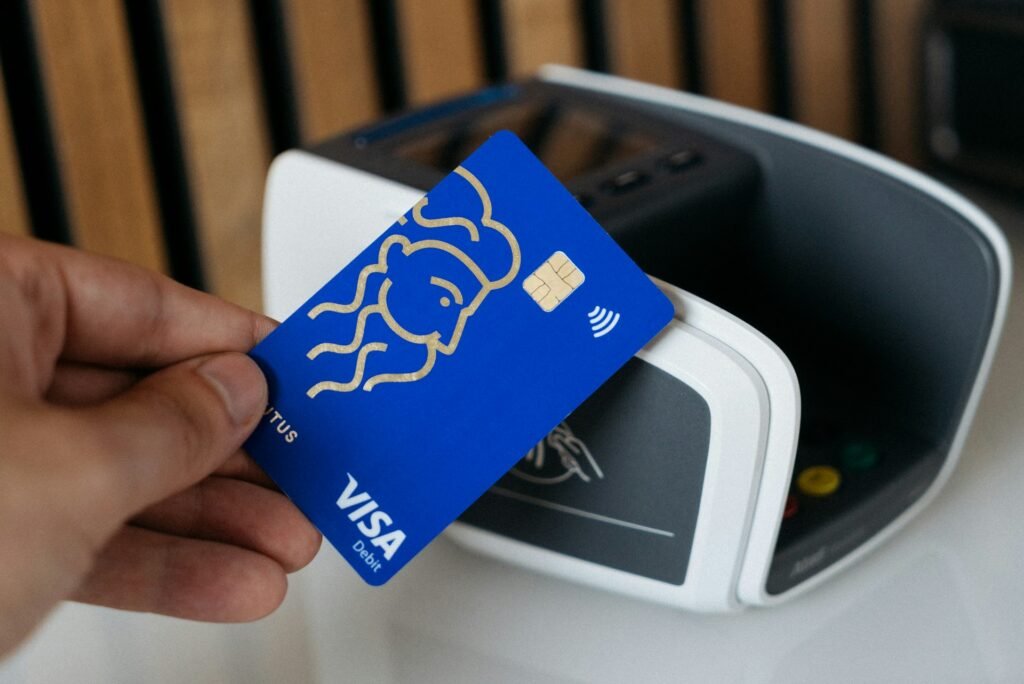
Payment fraud at the pump or register rarely looks dramatic. It looks like a normal Tuesday. Customers are fueling, ordering food, paying, and leaving. Somewhere in that routine flow, a hidden device is quietly pulling card data or a compromised terminal is processing one bad transaction after another. By the time anyone realizes there is a problem, the exposure has already multiplied.
In our work at The Integritus Group, we see this pattern repeat across retail, fuel, and restaurant environments. Technology has absolutely improved security, especially with EMV and Tap-to-Pay, but fraud has not disappeared. It has shifted to exploit weak controls, inconsistent inspections, and unclear ownership. This article shares what we see in the field, how payment fraud actually works today, and where thoughtful loss prevention consulting and disciplined operations make the difference between a near miss and a major incident.
How Skimming Really Works in Retail and Fuel Operations
There is still an old mental picture of skimming devices: big plastic overlays snapped onto a terminal that anyone could spot with a quick glance. Those do exist, but they are not the main problem in most store and fuel environments anymore. The devices we see now are smaller, more discreet, and deliberately designed to blend into daily operations.
Internal skimmers inside fuel dispensers are a prime example. With the right key or access method, a fraudster can open a pump cabinet, connect a small device in-line with existing wiring, close the panel, and walk away in minutes. If access controls are weak or universal keys are common, that barrier is even lower. From the outside, the pump looks completely normal, and customers keep using it.
Shimmers create a similar challenge at in-store terminals and at the pump. These sit inside the card reader, not on the surface. A quick visual check from the outside will not reveal them. Unless your inspection routine includes meaningful checks and, when appropriate, physical testing and comparison across devices, they are easy to miss.
Bluetooth-enabled skimmers add another layer. With these, no one needs to come back and physically retrieve the device to collect stolen data. Someone can park nearby, connect to the hidden device through a wireless channel, and download card information without touching the pump again. That increases dwell time for the device, which means more cards affected, more chargebacks, and a longer investigative trail.
Tap-to-Pay Security and the Gap Between Technology and Reality
Tap-to-Pay and EMV technology are genuinely stronger from a security perspective. Tokenization, dynamic authentication, and limited card data exposure mean that capturing a useful payment credential from a contactless transaction is very difficult in typical retail and fuel environments. When customers use mobile wallets or contactless cards correctly, the window for traditional skimming attacks shrinks.
The operational mistake we see is treating Tap-to-Pay as if it is the whole strategy instead of one important layer. It is tempting to assume that once contactless terminals are installed, fraud pressure at those locations will automatically drop to a negligible level. That assumption creates blind spots.
If pumps are not inspected regularly, if internal components are easy to access, and if associates are not trained to recognize small changes in equipment or behavior, criminals still find ways to operate. They may shift tactics, target non-EMV paths, or focus on unattended terminals and magstripe fallbacks. Technology only delivers its potential when it is backed by sound process design, clear policies, and daily discipline. That alignment between tools and behavior is exactly where mature loss prevention consulting focuses.
Where Store-Level Controls Break Down
On paper, many retailers have the right policies. They have inspection checklists, tamper seals, and rules for handling keys and technician access. The breakdown happens between the policy binder and what actually takes place during a busy shift.
Common gaps we see include:
- Inspections that are rushed or skipped when staffing is tight
- Seal checks that become a “check the box” exercise without really comparing to prior days
- Keys stored where anyone on duty can access them, or where they are easily copied
- No clear owner for pump security, so everyone assumes someone else handled it
Fraud takes advantage of that everyday reality. When a store is slammed with customers and a line is forming, it is very easy for a required inspection to get pushed to “later.” If “later” keeps slipping, a device can sit in a pump for days while customers continue to use it. Each extra day compounds the impact in chargebacks, customer trust, and potential regulatory attention.
Experienced loss prevention teams build accountability and auditability into the routine. That means someone is specifically responsible for checks, there is documented proof they occurred, and there are periodic verifications from district or enterprise teams to confirm that expectations match reality.
Field-Tested Practices That Actually Reduce Fraud
In our work with retailers and fuel operators, we see a few habits that consistently separate higher-performing locations from the rest. They are not glamorous, but they work.
Strong operators tend to:
- Conduct daily, documented inspections of pumps and card readers
- Compare “yesterday versus today” instead of treating each day as a fresh start
- Limit shared and universal keys and track who has access to what
- Verify identity and purpose for every technician or service visit
The best locations do not rely only on technical controls. They invest in practical training so associates understand what “normal” looks like for their equipment. A slightly loose reader, a seal that looks different from adjacent pumps, unusual tool marks near a panel, or mismatched components between lanes are all small but meaningful signs.
Data plays a role as well. When locations tie together customer complaints, chargeback trends, inspection logs, and maintenance records, patterns appear sooner. For instance, if three card fraud complaints map back to transactions at the same dispenser, the question is not “Is this a coincidence?” but “What changed at that pump and when?”
What Loss Prevention Teams Should Monitor and How to Involve Customers
From a loss prevention perspective, catching a skimmer as it is installed is unlikely. Catching the operational signals that something is wrong is realistic if you know where to look and how to interpret the data.
Useful red flags include:
- Unusual spikes in chargebacks linked to a specific terminal, lane, or pump
- Repeated customer complaints that point to the same timeframe or device location
- Transaction patterns that fall outside typical store behavior
Cross-referencing those signals with operational records can be revealing. Did a maintenance visit occur just before the spike? Were inspection logs completed and, if so, did anyone note something different? Who had access to pump keys or internal panels during that period? That type of reconstruction is exactly where focused loss prevention consulting can clarify root causes instead of chasing symptoms.
Wireless and Bluetooth scanning is emerging as a practical extra layer for some operators. Simple on-site scans can sometimes surface unknown devices broadcasting near pumps or terminals. When combined with routine physical inspections and data monitoring, it adds another checkpoint without slowing down operations.
On the customer side, there is a balance between education and alarm. We encourage retailers to share straightforward, calm guidance, such as:
- Favor Tap-to-Pay or mobile wallets when available, at the pump and in-store
- Use credit instead of debit at unattended terminals when possible
- Give pumps a quick visual check and move to another lane if something looks off
Simple signage, brief staff reminders, and digital messaging can reinforce these points without creating panic or implying that your site is unsafe. Customers generally appreciate knowing how to protect themselves, and that shared awareness supports your broader control program.
Turning Payment Fraud Into a Managed Discipline
Payment fraud rarely hinges on one massive failure. It usually comes down to a small control gap that repeats quietly until someone connects the dots. A seal that is not really checked. A pump that is not inspected because the shift got busy. A key policy that exists on paper but not in practice.
The balanced path forward is not choosing between Tap-to-Pay or better operations. It is combining secure payment technology with consistent routines, clear roles, and meaningful oversight. Daily inspections, well-controlled access, informed associates, and cross-functional monitoring turn fraud from a surprise event into a manageable operational risk.
At The Integritus Group, we approach this as practitioners. Our loss prevention consulting work is grounded in what actually happens in stores, at the pump, and in restaurant lanes, not just in policy documents. When retailers and fuel operators bring technology, process, and people into alignment, payment fraud does not disappear, but it becomes something you can see sooner, contain faster, and learn from before the next device sits unnoticed for three days.
Protect Your Profitability With Targeted Loss Prevention Support
If shrink and security risks are cutting into your margins, our loss prevention consulting services can help you gain control and confidence. At The Integritus Group, we work alongside your team to uncover vulnerabilities, strengthen processes, and build practical strategies that fit your stores. Let us show you where focused improvements can deliver measurable impact across your operations. To discuss your needs and next steps, please contact us today.