
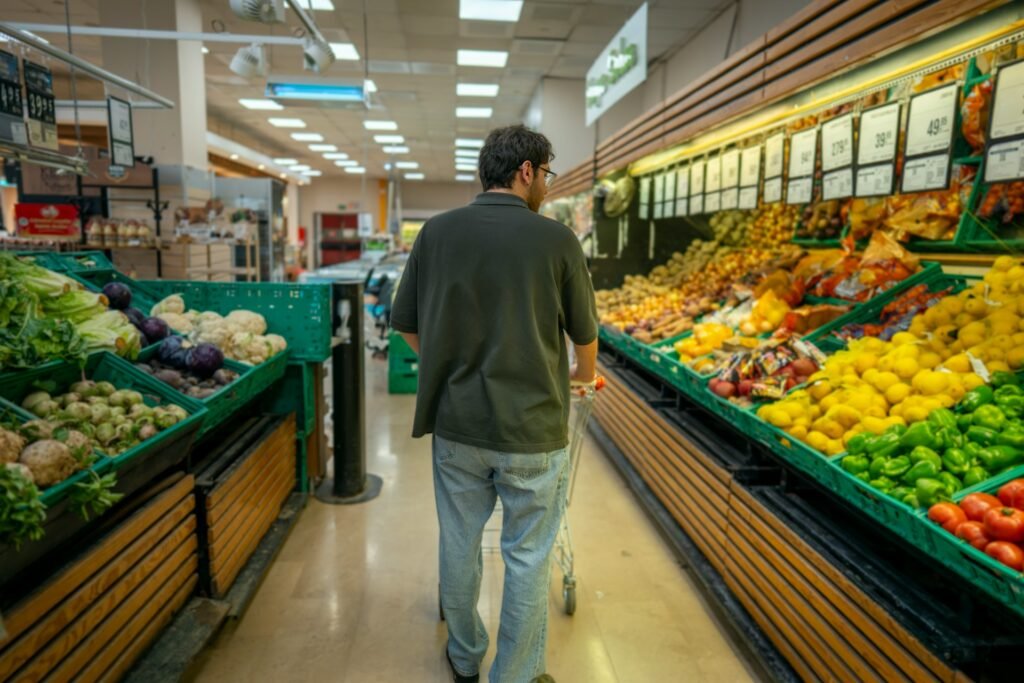
Grocery stores have to manage a lot of moving parts every single day. From the way food is stored to how walkways are kept clear, there’s always something that needs attention. One skipped step or overlooked detail can lead to real problems. That’s why knowing what counts as a compliance violation matters more than most people think. It helps everyone stay ahead of issues before they grow into something bigger.
Spring is a busy time in most stores, especially as the weather warms up and foot traffic increases. Shelves are switching over to fresh produce, outdoor products, and seasonal goods. That usually means staff are juggling more tasks all at once. This makes it a good season to pause and check if safety steps, food handling, and backroom routines are still being followed the right way. We often see how something small turns into a bigger risk when expectations aren’t clear.
Having the support of loss prevention consulting for grocery stores can help simplify how teams approach compliance. It brings fresh eyes to daily routines and offers smart ways to fix little gaps that may have gone unnoticed. That kind of early awareness keeps the store running smoother and safer for both customers and staff.
Common Areas Where Violations Happen
In busy grocery stores, the same types of issues tend to come up again and again. These are often places where the pace is quick, staff rotate often, or there’s a mix of shared responsibilities. We’ve noticed the following areas are where most compliance violations happen:
- Improper food storage is a big one. When items get stacked in the wrong place or stored at the wrong temperature, it can create a food safety risk. That includes things like raw meat too close to fresh produce, or open containers near allergens.
- Expired products being left on shelves is another common issue. If daily checks fall behind, these items can be missed. Customers might lose trust if they find something outdated in their basket.
- Broken coolers or missing temperature logs can go unnoticed during a busy shift. If food is held above safe limits for too long, that’s a violation, even if the cooler’s only slightly off.
- Safety problems like blocked exits or wet floors without a warning sign also come up often. Sometimes it’s a cart left too close to a doorway, or a spill that hasn’t been mopped yet. These may seem small, but if someone slips or can’t exit quickly, it becomes serious fast.
When store teams are aware of these common trouble spots, they’re better prepared to watch for them. It saves time and effort when expectations are clear and shared across all departments.
Why Small Mistakes Turn Into Big Issues
It doesn’t take much for something small to go sideways. In grocery stores, everyone is moving fast just to keep up. If someone’s not sure what their role is for the day, or they’re rushing to close up, it’s easy to skip a task or forget what’s been done.
Clear routines matter. When there’s a checklist or a daily log, team members know exactly what’s expected and when to do it. These simple tools make it easier to track actions across shifts. If someone signs off on a cooler check, the next person knows it’s been done. If not, there’s a quick way to notice what’s missing.
Written steps also help when something needs to be followed up later. If an issue comes up during an audit and nothing’s recorded, it’s hard to explain what happened. That can lead to more questions or even store penalties. But when the checklists are filled in and things are logged, it gives a full picture of daily routines.
Making sure these small habits stick can be the difference between catching a mistake early or letting it turn into a bigger, more expensive problem.
How Compliance Connects to Safety and Trust
A grocery store feels better when it runs smoothly. That goes for customers and employees alike. Strong compliance routines directly support that feeling of safety and trust.
When teams follow proper steps, there are fewer chances for accidents. Things like slips, trips, or food safety complaints happen less often. It also means employees aren’t caught off guard by visits from inspectors or changes in store policy.
For shoppers, following the rules builds trust. When produce looks fresh, aisles are clear, and signs are posted where they belong, people notice. They feel more confident shopping somewhere that takes care of both its food and its space. And when staff feel safe and supported at work, they’re more likely to communicate, stay focused, and follow store routines even when it gets busy.
Compliance isn’t just about ticking off boxes. It supports everything else: safety, cleanliness, and a smoother workday, especially during busy seasons.
What Third Party Loss Prevention Consulting Can Catch
Sometimes store teams are too close to their daily work to see where the gaps are. That’s when outside help makes a real difference. Loss prevention consulting isn’t there to point fingers. It’s meant to spot problem areas early and help build better habits without adding stress.
Outside experts are trained to look beyond the obvious. They might catch patterns that internal staff have grown used to. That could mean a logbook that gets skipped on weekends or a backroom layout that creates blind spots. A consulting team can help identify what’s slowing people down or causing missed steps in the first place.
Another benefit comes from creating cleaner tools. If forms are too long or confusing, staff won’t use them. Consultants can help come up with logs that are quicker to fill out or routines that actually match the store’s workflow. We’ve seen how even a few small changes can make a big difference when they’re shaped around how real teams work, not just what looks good on paper.
During a busy spring season, those quiet improvements can help stores stay stronger under pressure. Reviewing policies now means fewer surprises during the summer rush.
A Safer, Smoother Grocery Store Starts with Awareness
Most compliance violations don’t happen because people aren’t trying. They happen when teams are pushed to move fast, when tasks aren’t clearly assigned, or when training falls behind. That’s why awareness matters most.
Building smarter habits every day ends up making the work easier. When logging checks and sticking to closing routines becomes second nature, audits feel less stressful and days start to run smoother. That consistency helps avoid last-minute cleanup when someone’s coming to check in.
Staying alert and open to change is what keeps grocery stores ahead. As the seasons shift and new products hit the shelves, making time to review and revisit store routines keeps us ready. The stronger our everyday steps are, the fewer problems we’ll need to clean up later. With spring warming things up, now’s a smart time to double-check that everything still lines up with how we want our stores to feel: safe, steady, and ready for whatever comes next.
Noticing areas in your store that feel rushed or unclear is a clear sign to take a closer look. What might seem like a small problem now could turn into a larger issue when things get busy. With support from grocery store loss prevention consulting, you can simplify routines, spot risks early, and help your team feel more confident. At The Integritus Group, we build systems that match how real grocery stores work every day. Contact us to get started.